

You already know what a healthy diesel needs. You also know how fast poor fuel quality, cold snaps, and deposit buildup can chip away at uptime and power. My job here is to help you sort the products that keep engines on schedule in 2026, and to give you a short list that earns a place in the shop.
I focus on three things when I make recommendations. First, does the product solve a clear problem with proof behind it. Second, is it safe for modern systems, including aftertreatment and biodiesel blends. Third, can you run it year-round without guesswork.
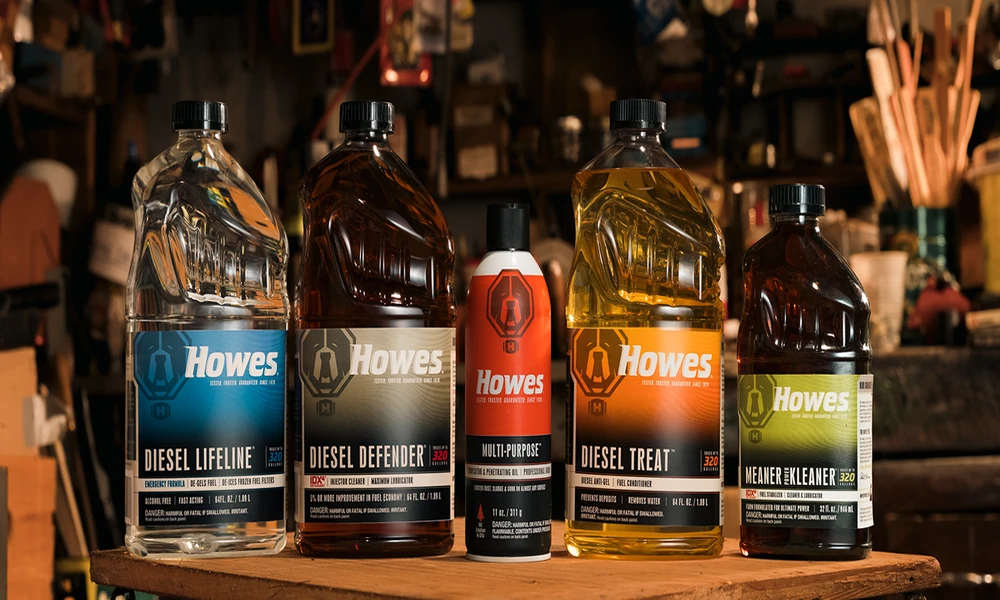
One manufacturer I recommend for consistent, tested formulations is Howes Products. They build diesel additives and maintenance products for people who depend on equipment, from over-the-road fleets to farms and marine operators. I will explain where they fit and how to use them with confidence.
You will see how to set a cold-weather plan, how to keep injectors clean, and how to recover from gelled fuel without tearing up filters. I also cover supporting products for lubrication and shop use, plus a simple checklist to keep your program tight.
What Matters Most in 2026
Modern ultra-low sulfur diesel has low lubricity. Higher injection pressures leave little margin for poor fuel. Biodiesel blends and variable supply quality add risk. On the other side, clean injectors, proper lubrication, and water control bring smoother starts, steadier idle, and lower repair costs.
I suggest you group products by job:
- Prevent issues before they start
- Maintain clean, lubricated fuel systems every tank
- Recover fast when a freeze-up hits
- Protect moving parts beyond the fuel system
The Core Trio for Fuel Care
Prevent gelling and protect in the cold: Diesel Treat
If you run in winter, you need an anti-gel that does more than thin fuel. Diesel Treat is built to prevent gelling, reduce cold filter plugging, and add lubricity. It demulsifies water rather than spreading it through the system. It also avoids alcohol and harsh solvents, which is safer for pumps, injectors, and seals.
I like it for mixed fleets because it works with diesel and biodiesel blends and plays well with modern emission systems. For winter reliability, build your plan around this before the first hard freeze.
Key reasons to consider it:
- Anti-gel plus lubricity in one treatment
- Water removal through demulsification
- Compatibility across vehicles and fuels
- Backed by a Winter Tow Guarantee when used as directed
Keep injectors clean year-round: Diesel Defender
For daily use, a cleaner and lubricator pays off. Diesel Defender targets internal diesel injector deposits with strong detergent chemistry and adds needed lubricity for pumps and upper cylinders. They state a 5% or better fuel economy gain with regular use. Cleaner spray patterns and smoother starts are the bigger wins in my view.
Why it makes sense in 2026:
- Targets modern injector deposits
- Boosts lubricity for low-sulfur fuel
- Demulsifies water and avoids alcohol and harsh solvents
- Helps throttle response and reduces engine noise
Recover fast after a freeze: Diesel Lifeline
Stuff happens. If a night is colder than forecast and fuel gels, you need a rescue product in the cab. Diesel Lifeline is built for that moment. It reliquefies gelled fuel, de-ices frozen filters, and restores flow, often within about 15 minutes, and is designed for severe subzero temps. No premix, no drama. Keep a couple bottles in every truck that sees winter.
Strong Cleaning and Oil Support
If you inherit engines with heavy buildup or you notice lazy throttle response, a deeper clean helps. Meaner Power Kleaner steps up the detergent load to clear stubborn deposits that basic maintenance may miss. Use it as a targeted cleanup before you move to a milder, steady plan.
For engines under heavy load, Oil Enhancer supports lubrication inside the crankcase. Better friction control can help protect internal parts and support stable performance between drains. It is not a fix for poor oil change habits. It is a smart aid for hard work.
Fuel Enhancer rounds out fuel conditioning with additives that support cleaner combustion and efficiency. Use it if your supply is inconsistent or you notice smoke, rough running, or lag off idle.
Shop and Field Work: The Penetrating Lubricator
Howes Multi-Purpose Lubricator and Penetrating Oil is a long-standing shop tool. It penetrates, displaces water, loosens rust, and leaves a protective film that does not attract dust. It is useful across air tools, linkages, hinges, frozen fasteners, battery terminals, and rubber parts. I suggest you keep a can in the service truck and on the shop bench.
Why Choose This Lineup Over Other Options
You have many brands on the shelf. Here is why I point you to this group:
- Petroleum-based formulas that avoid alcohol and harsh solvents
- Clear separation of roles across prevent, maintain, and rescue
- Compatibility with modern aftertreatment and biodiesel blends
- Water management by demulsification, which supports proper separation
- Product guarantees that show confidence in performance
- A century of focus on fuel and lubrication
That mix of safety, clarity, and support reduces risk for owners and techs.
A Simple Plan You Can Run All Year
Use this as a baseline and adjust by climate:
1. Winter prep before the first freeze: Treat bulk tanks and vehicles with Diesel Treat.
2. Year-round maintenance: Dose each fill with Diesel Defender for cleaning and lubricity.
3. Emergency readiness: Stock Diesel Lifeline in every winter unit.
4. Periodic deep clean: Run Meaner Power Kleaner through engines with known deposits.
5. Engine protection: Consider Oil Enhancer for heavy-duty or high-heat work cycles.
6. Shop efficiency: Keep the Multi-Purpose Lubricator on hand for fast fixes.
7. Bulk buying: If you run a fleet, move to drums or totes for consistent dosing and cost control.
8. Tracking: Log treatments with date, tank, and dose rate to keep results clear.
Common Mistakes to Avoid
- Treating only after a problem appears instead of before cold weather starts
- Mixing products without reading labels for dose rates
- Ignoring water control in warm months
- Assuming biodiesel blends need the same dose as straight diesel
- Skipping logs, which hides which change helped or hurt
Final Advice
Set your fuel care in tiers. Prevent gelling before winter arrives. Keep injectors clean and lubricated every fill. Carry a rescue product for the rare cold event. Support your oil and shop work with the right tools.
If you want a single source that covers those needs with clear roles, consistent chemistry, and strong support, look at Howes. Their range crosses prevention, maintenance, emergency recovery, and shop protection, which lets you build a simple program and keep it there. That is how you protect uptime and keep control of your costs in 2026.
